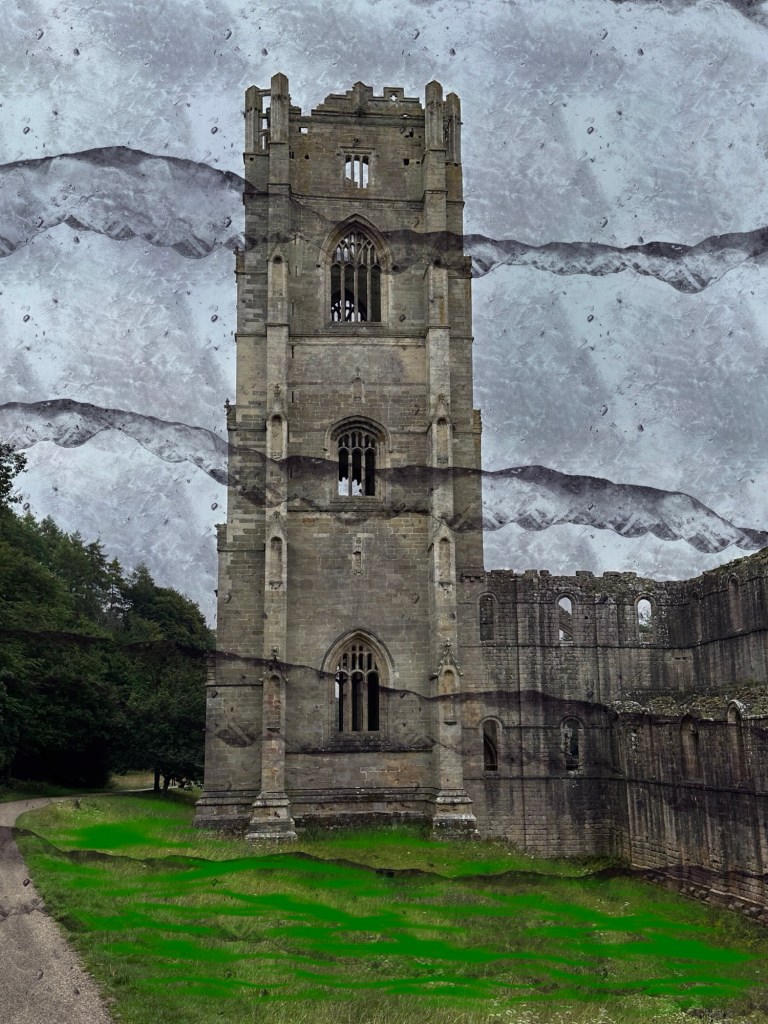
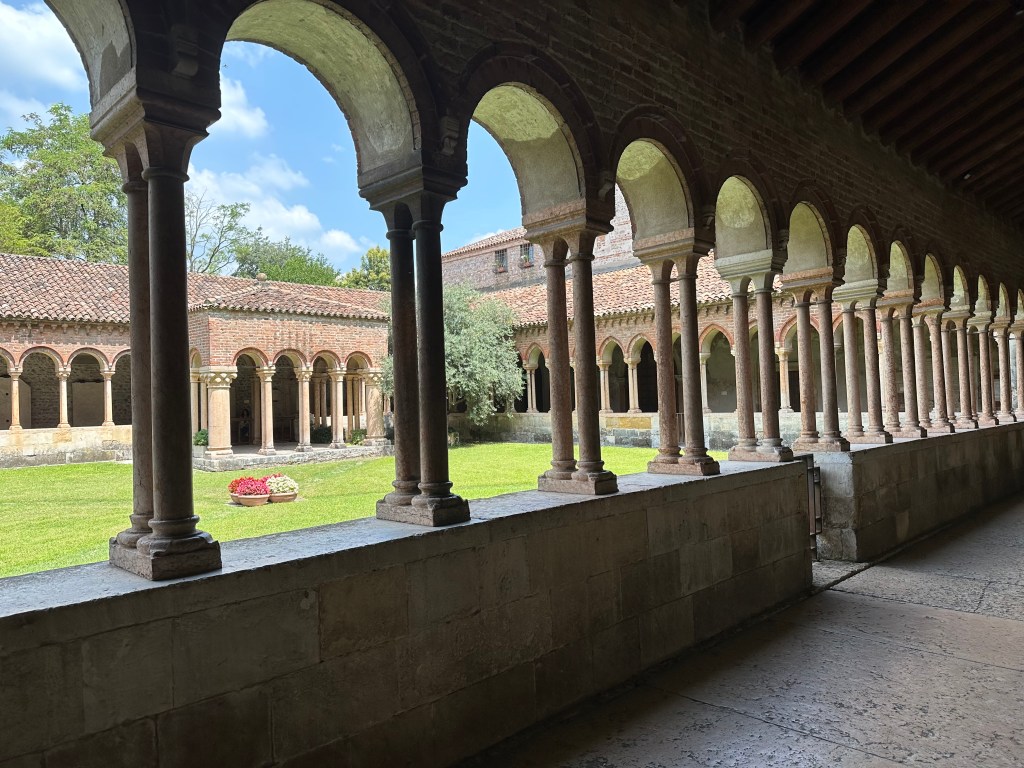
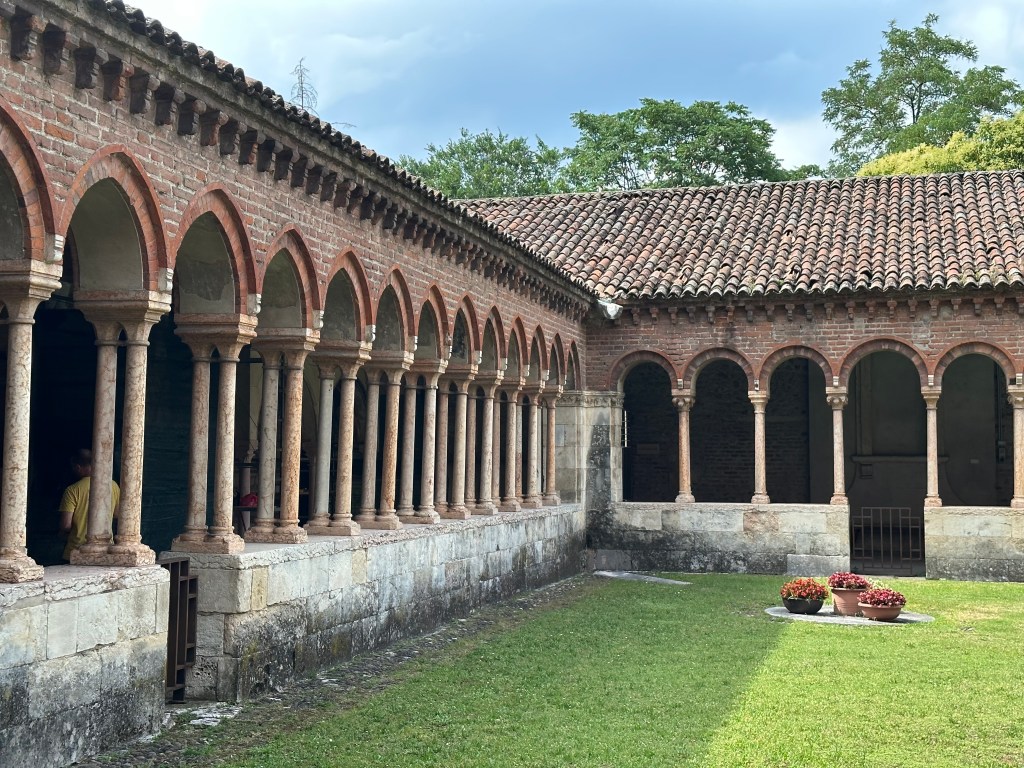
The abbey stands broken against the grey sky. Stone arches rise, empty and cold, like ribs of a dead beast. The grass grows high in the cloister walk where monks once prayed. Wind moves through the hollows, carrying the sound of crows. The walls lean but do not fall. They remember the weight of bells, the smell of incense, the hush of voices at dawn. Now only silence lives here, except the rain and the birdcall. A place built for God, left to ruin by men. Still it endures, hard stone against time, stripped bare, but unyielding.
The house rises, stone upon stone, each block holding in its grey solidity a murmur of centuries. The air about it trembles faintly, as if the trees leaned in to listen to some secret spoken only once, long ago. Those windows, narrow and darkened by iron lattice, gaze not outward but inward, to a chamber of shadows, where footsteps must echo on worn floors and silence grows thick in the corners. The roof slants sharply, a triangle against the pale sky, its ridges like the folds of some vast, old cloak. Time presses against these walls, not with violence but with persistence, like rain, like breath, like the quiet wearing-down of all things. And yet, there is a steadfastness here, a defiance too: red stone warming where sunlight touches it, the archway holding fast against the encroaching years. One imagines voices—low, thoughtful voices—rising in these rooms, lives passing across the mullioned glass in fleeting patterns, gone as quickly as cloud-shadow on the lawn. The house, in its stillness, gathers these remnants, keeps them, turns them into silence. And so it endures: not merely a dwelling of stone, but a vessel of memory, layered, waiting, watching, refusing to be forgotten.
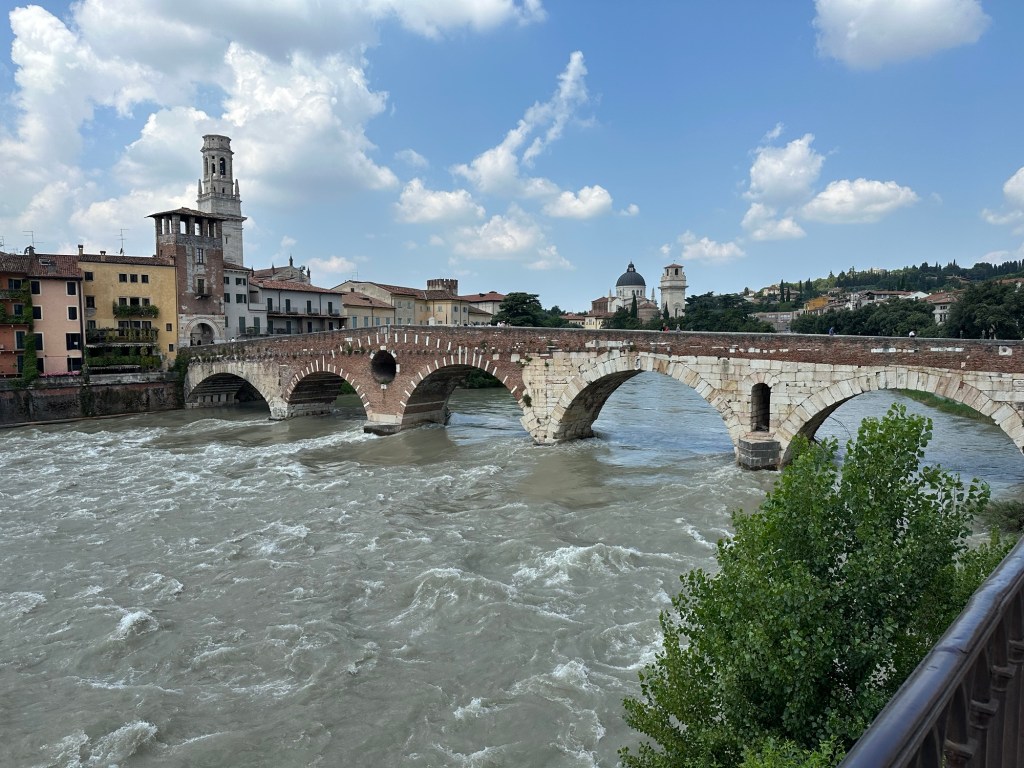
When the Romans rolled into Verona back in the first century BC, one of their top priorities was building a bridge over the Adige River. This bridge has seen quite a few facelifts over the years, with some major repairs in the Middle Ages and then again after World War II, thanks to some unwelcome attention from German troops. But despite all that, it’s incredible to think that parts of this amazing structure are over 2,000 years old. Just imagine the stories it could share—if only bridges could talk!
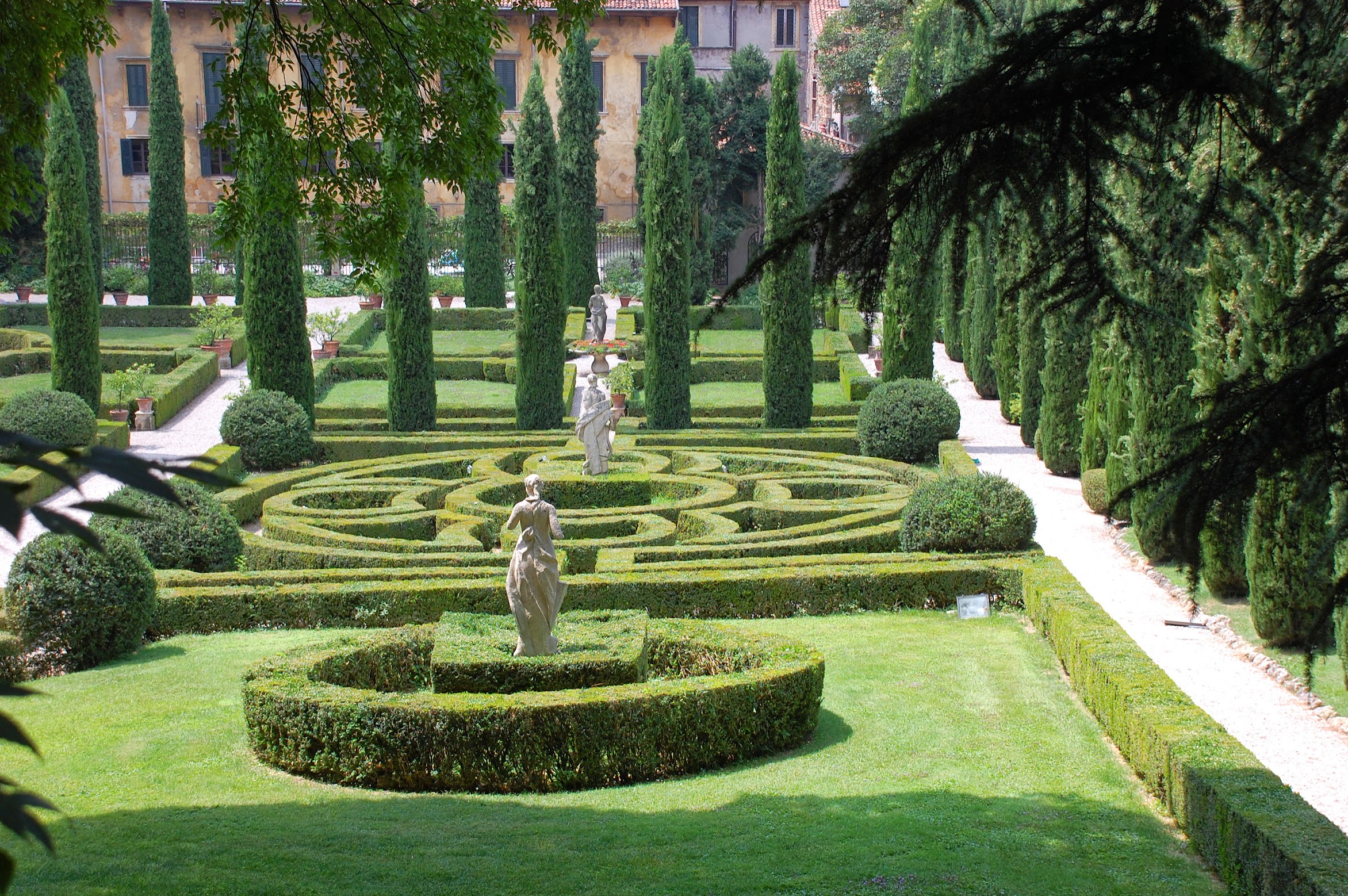
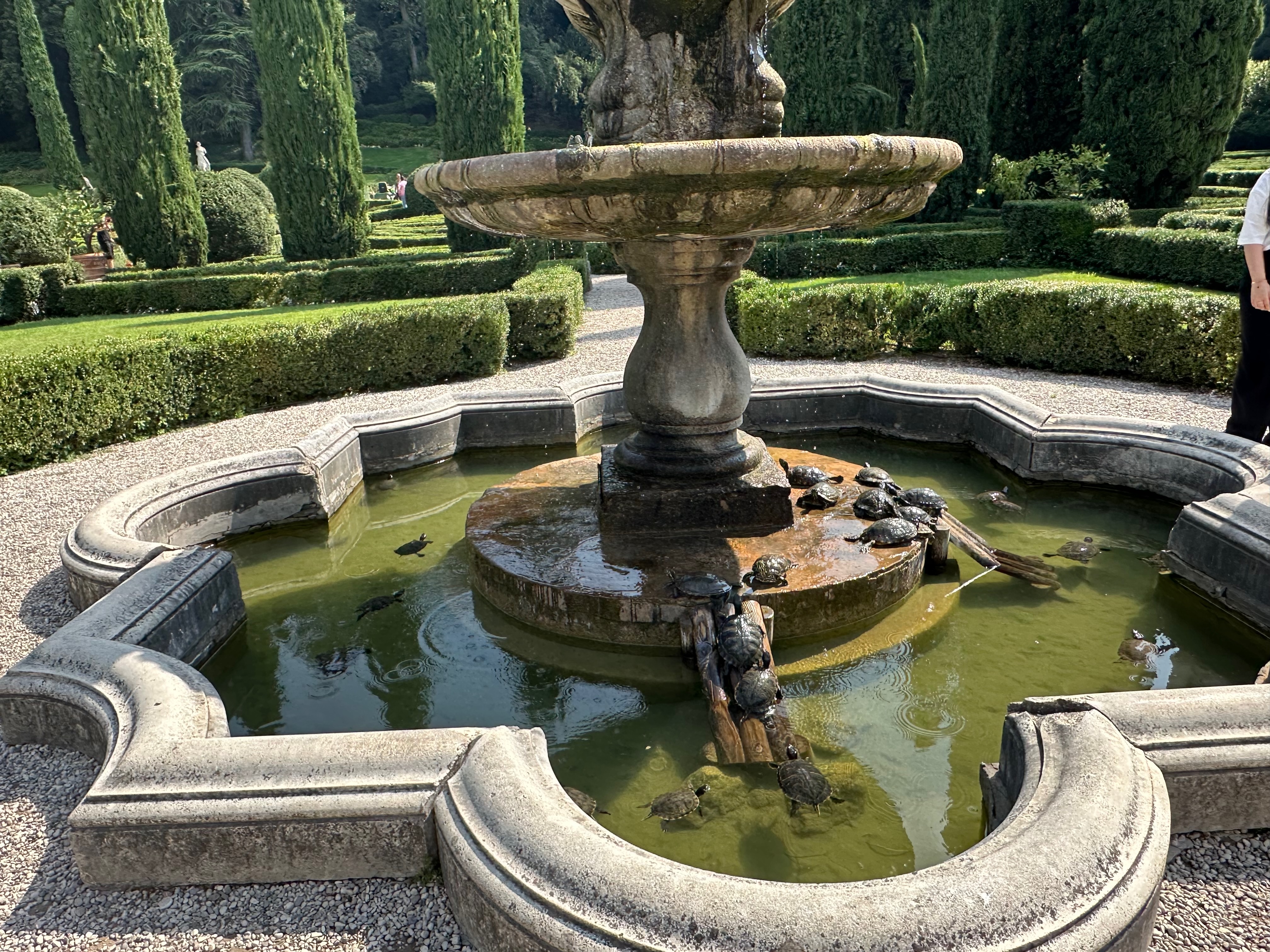
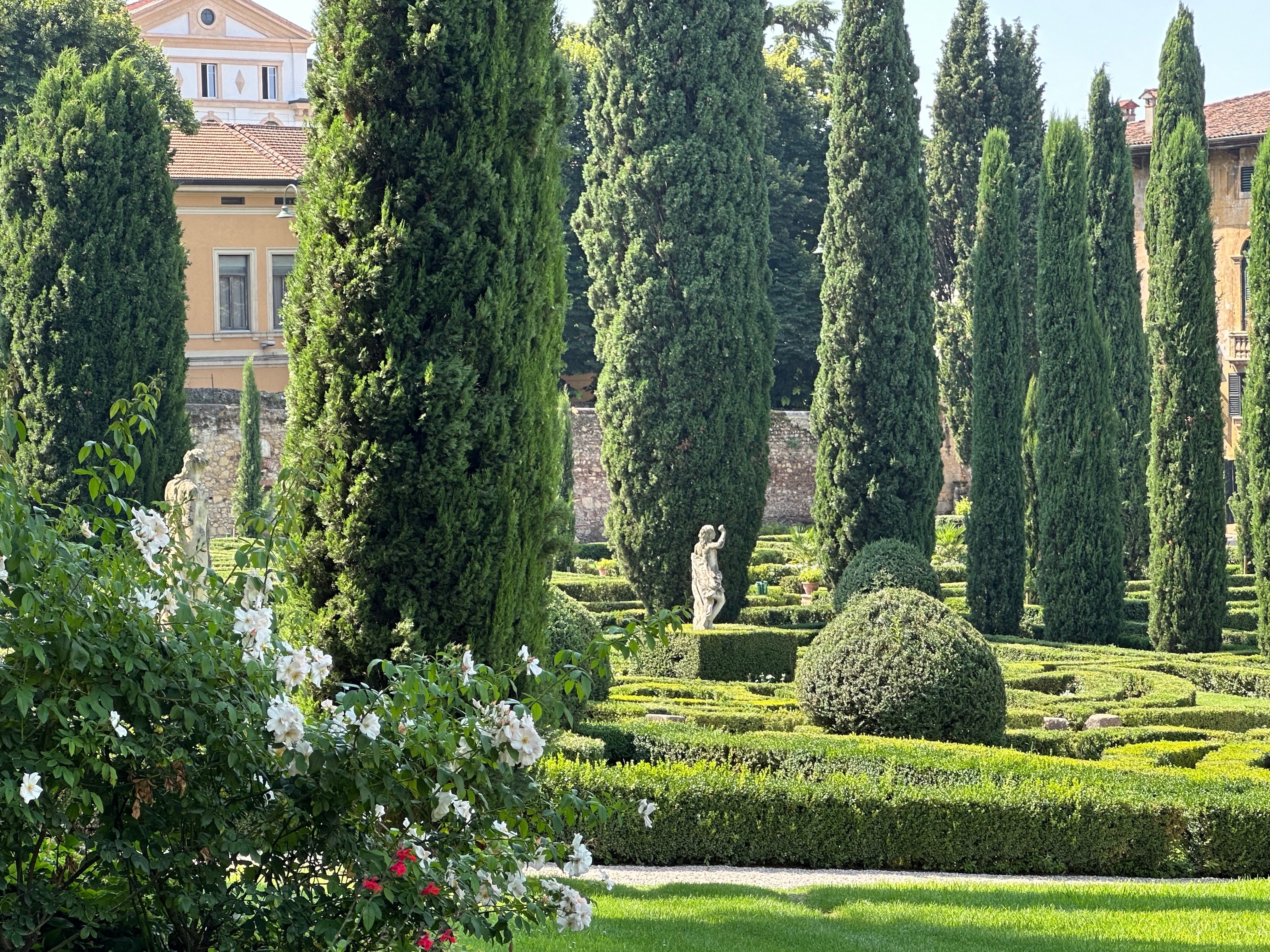
A Renaissance garden and a 16th Century palace. What’s not to love?
With the growth in popularity of the ‘Grand Tour’ Giardino Giusti became an obligatory stopping off point for travellers visiting Verona, including poets, artists, and crowned heads of Europe.
The garden was thought to be one of the most beautiful renaissance gardens in Europe until it was hit by a storm in 2020. It was added to Europa Nostra’s “7 Most Endangered” list of heritage sites at risk.
However, 4 years later, it is well on the way to regaining its former glory.
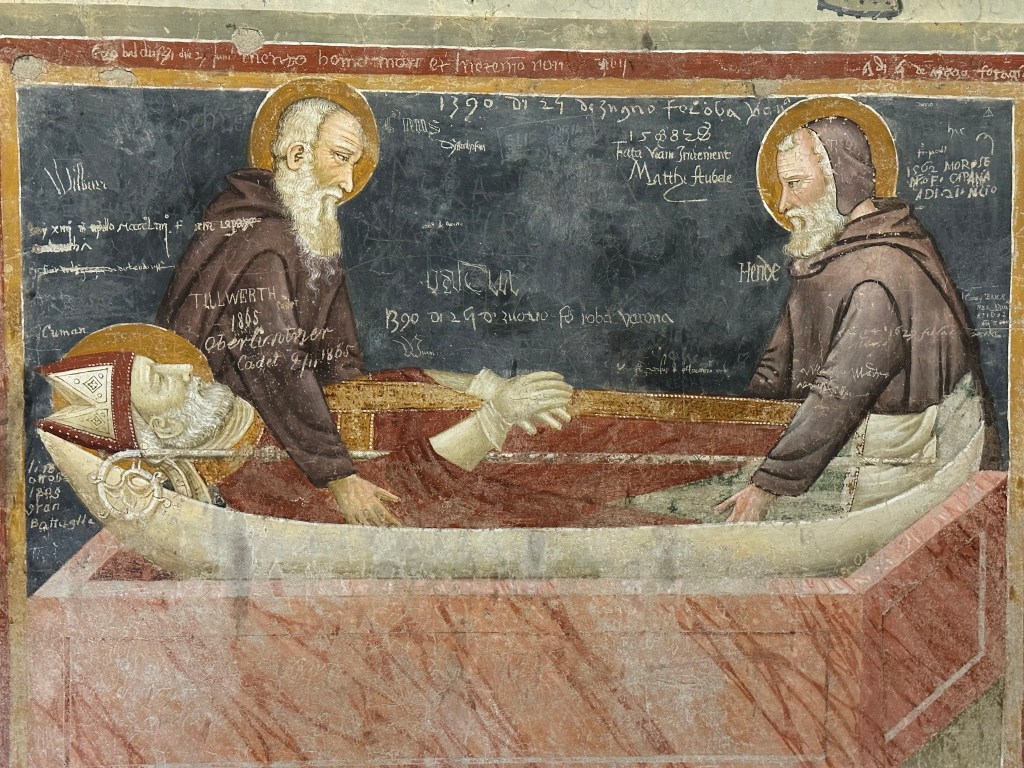
It is said that graffiti is one of the biggest blights of our time. But when does graffiti become historically important? Some of the scratches on this fresco in the San Zeno Basilica in Verona are dated back to 1390.
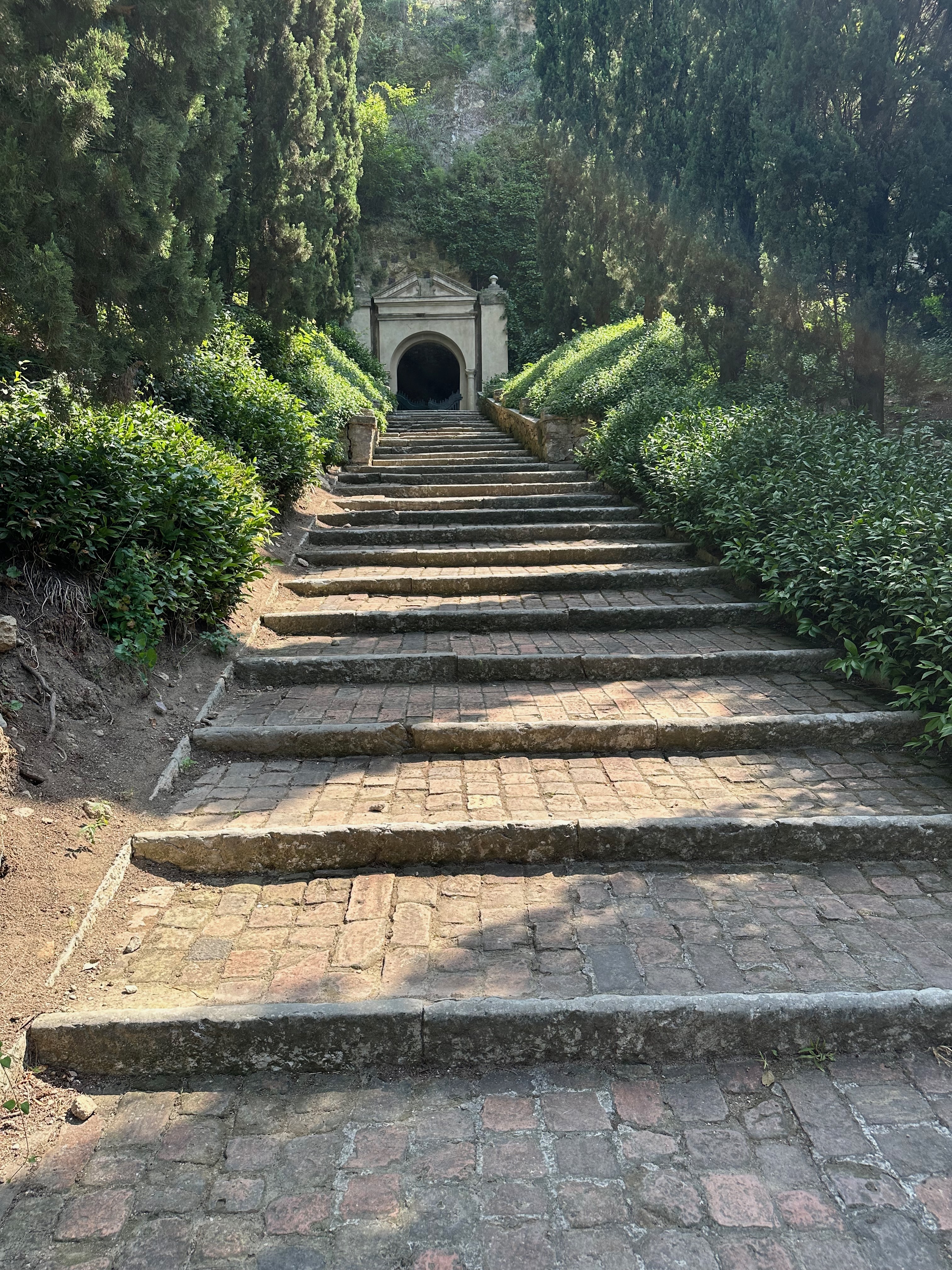
The inside of the church is seriously amazing! Tradition claims that even Shakespeare’s Romeo and Juliet decided to get married in the crypt. It seems even doomed lovers can’t resist such a cool spot!
I knocked on her door with a half dozen red roses in my hand. As always they were freshly picked from my garden. As always, there was no reply. As always, I carefully laid them down on the step, knowing that when I returned, they would be gone. She said that she would never leave, that red roses were her favourite flower, that August was her favourite month. and that she would love me forever.
She was wrong. She did leave. She didn’t love me forever and when the car hit her two years ago on August 1st, how could August be her favourite month?
I once called it home. Yes, I was privileged, spoilt even, but it had been in my family for hundreds of years. Admittedly, it had been taken by force during a period of interminable wars that plagued this area but it was ours by right of conquest. We had better swords and better warriors that never conceded defeat.
And now it has been lost by virtue of a few words and signatures on a few sheets of paper. Returned to the State so that its citizens can swarm around the rooms and gardens.
Choose your cliche of preference. Maybe ‘What goes around comes around’ or perhaps ‘It is as it is.’ I, however, have been shown that,
It was the band on her left arm that first caught my attention. She had been persuaded to sit by my friend Roger who had told me that she was a bit of a bohemian. Intrigued, I slipped into the studio and watched while he performed his magic with a paintbrush. Halfway up her forearm, not on the wrist like the ordinary people. She was special and she knew it. Even the style of her hair, bobbed in this way, took an element of confidence to carry off. With friends like Modigliani, Ezra Pound and Picasso, what chance could I have? But I had to try. ‘Come to the Fitzroy Tavern tonight’ she replied. I hid my surprise but as I took my leave, called back ‘a plus tard’. See you later.
We were serenely gliding under the bridge when I saw her. The gondolier was chatting away in broken English but I had stopped listening. I couldn’t look back without arousing suspicion from my companion but I had a good idea of the hotel that she would have chosen. I was here in Venice to work and this little outing was a compromise that I had made. It would be easy to make an excuse and slip out later. I had to find her. We had much to discuss.







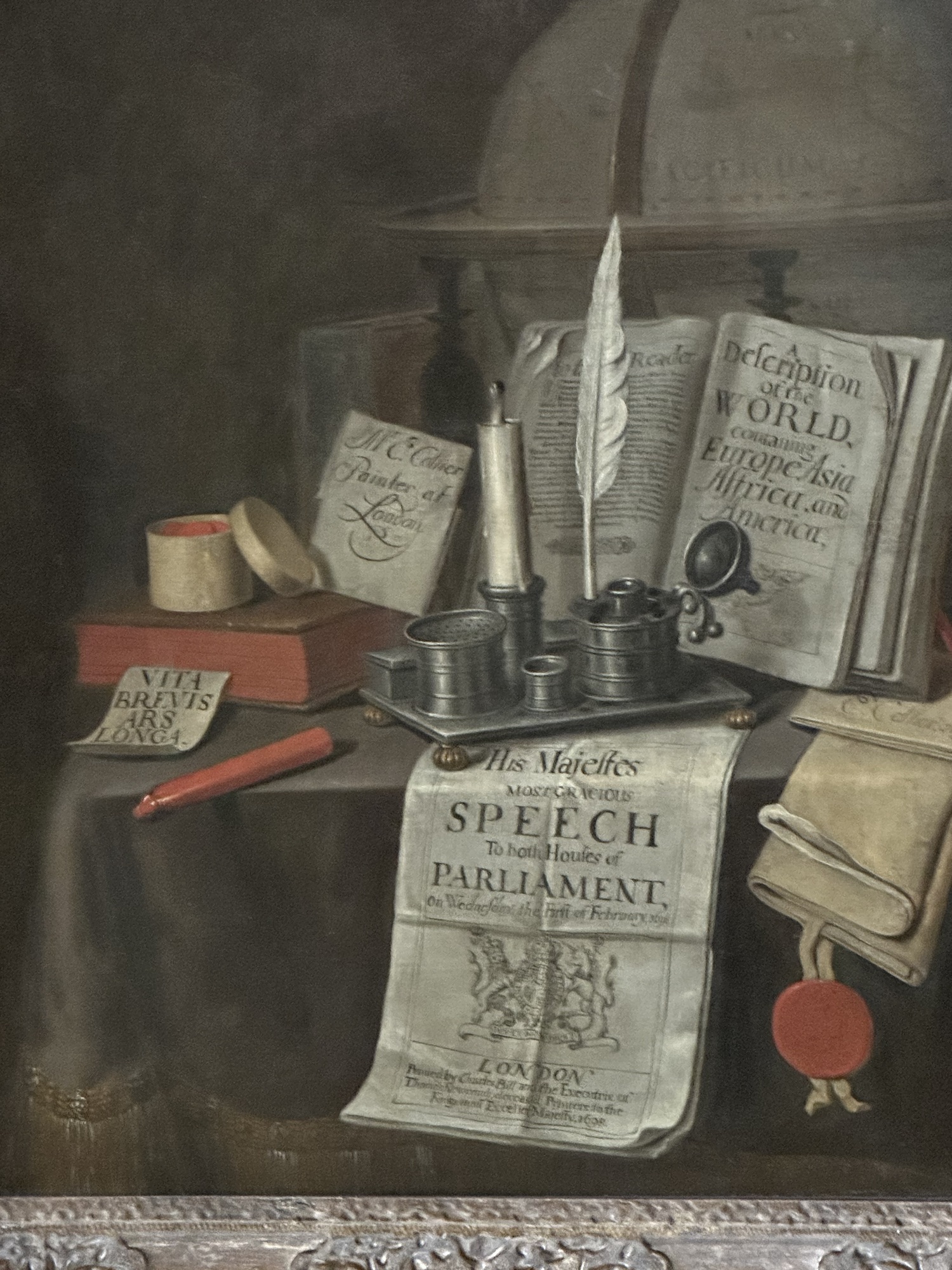 “I don’t collect, I select”.


 Under 1000 days